Biocompatibility & Safety Testing of
Medical Devices

Where Science Safeguards Innovation
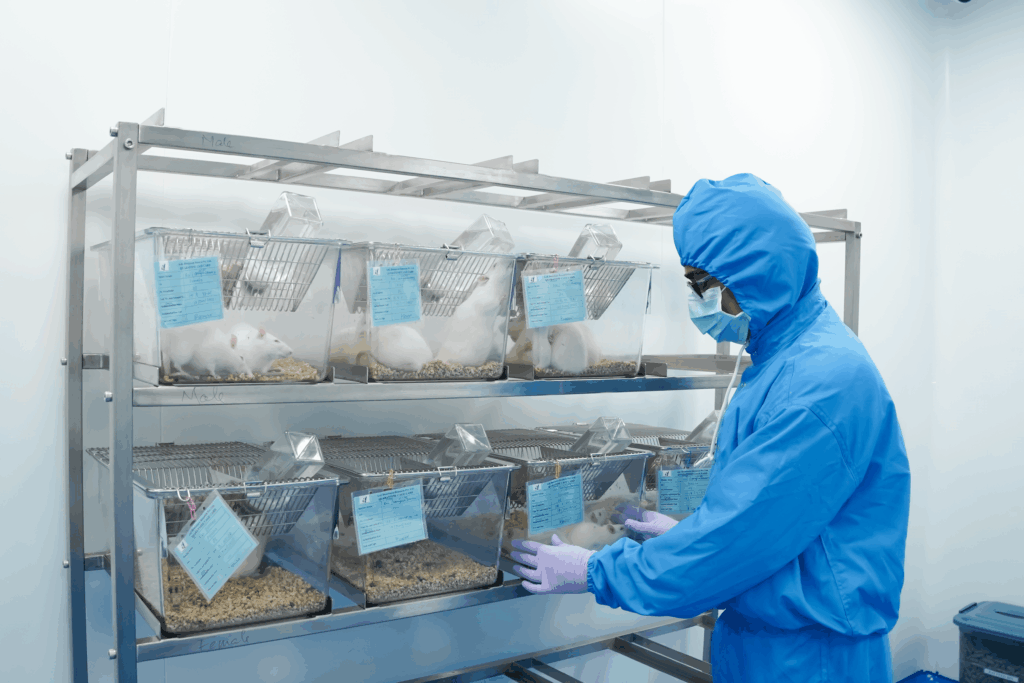
At AAL Biosciences, we help Medical Device innovators establish biological safety with precision and confidence. Our comprehensive Biocompatibility & Safety Testing services, conducted in accordance with the ISO 10993 series, evaluate how devices and materials interact with the human body, ensuring patient safety, product reliability, and regulatory compliance. With GLP-compliant infrastructure, advanced facilities, and a team of ABT-certified toxicologists, AAL Bio delivers dependable data for global submissions, including FDA, EU MDR, and CDSCO. At our lab, we conduct an extensive range of biocompatibility evaluations that determine systemic, local, and cellular responses to medical devices and materials.

407218559 ee4e0f01 8a78 439f b13e be73a5017bdc

Necessity of Biocompatibility & Safety Testing

Here is why biocompatibility & safety testing are pivotal in medical device testing: 

Areas of Expertise

Alternatives to Animal Models

Alternatives to Animal Models

  • In-Vitro Skin Irritation & Corrosion
  • Hen’s Egg Test – Chorioallantoic Membrane (HET-CAM)
  • In-Vitro Skin/Dermal Absorption Using Ex-Vivo Models
Utilises advanced In-vitro and ex-vivo methods, such as HET-CAM and skin irritation/corrosion assays, to evaluate device safety ethically while reducing or replacing animal testing.

Microbiological Safety Testing

Microbiological Safety Testing

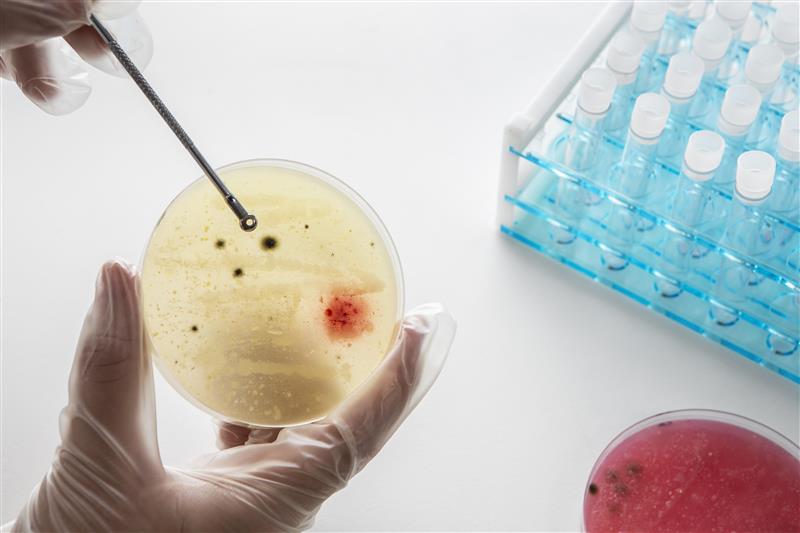
  • Sterility Testing
  • Bioburden Testing
  • Bacterial Endotoxin Testing
Ensures medical devices are free from harmful microorganisms by assessing sterility, bioburden, and bacterial endotoxins, safeguarding patient health and compliance with regulatory standards.

In-Vitro & In-Vivo Genotoxicity Testing (ISO 10993-5)

In-Vitro & In-Vivo Genotoxicity Testing (ISO 10993-5)

  • Bacterial Reverse Mutation Test (Ames Test)
  • In-Vitro Mammalian Chromosome Aberration Test
  • In-Vitro Micronucleus Test
  • In-Vivo Mammalian Erythrocyte Micronucleus Test
  • In-Vivo Mammalian Bone Marrow Chromosome Aberration Test
Evaluates whether medical device materials can cause genetic damage or mutations in cells or living organisms, ensuring long-term safety and minimising carcinogenic risks.

In-Vitro Cytotoxicity Testing (ISO 10993-5)

In-Vitro Cytotoxicity Testing (ISO 10993-5)

  • Agarose Overlay
  • MEM Elution
  • Direct Contact
  • Quantitative MTT Assay
Measures the potential of medical device materials to cause cell damage or death in cultured cells, providing an early and reliable assessment of biocompatibility.

USP Plastics (USP Class I–VI)

USP Plastics (USP Class I–VI)

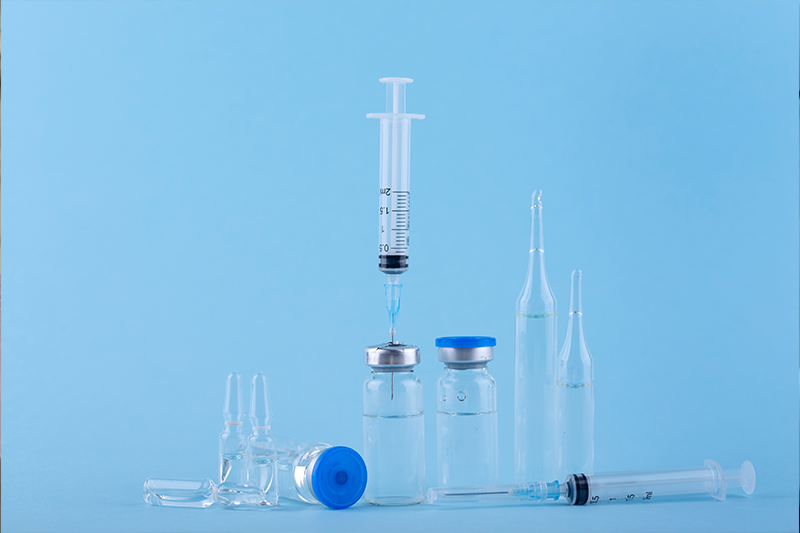
  • Systemic Injection Test
  • Intracutaneous Test
  • Implant Test
  • Safety Evaluation
Assesses the safety of polymeric materials used in medical devices through standardised tests, including systemic injection, intracutaneous, and implant evaluations, ensuring compliance with USP biocompatibility requirements.

Pyrogenicity Testing

Pyrogenicity Testing

  • Material Mediated Pyrogenicity (ISO 10993-11)
  • Rabbit Pyrogen Test (IP, BP, and USP)
Evaluates the potential of medical device materials to induce fever or inflammatory responses. This includes Material-Mediated Pyrogenicity (ISO 10993-11) and the Rabbit Pyrogen Test (IP, BP, USP) to ensure devices are free from pyrogenic contaminants.

Hemocompatibility Testing (ISO 10993-4)

Hemocompatibility Testing (ISO 10993-4)

  • ASTM Hemolysis
  • Complement Assay (C3a and SC5b-9)
  • Partial Thromboplastin Time (PTT)
  • Prothrombin Time (PT)
  • Thrombin Time (TT)
Determines how a medical device or material interacts with blood, assessing risks of hemolysis, clotting, and complement activation to ensure safety for blood-contacting applications.

Implantation Testing (ISO 10993-6 & USP)

Implantation Testing (ISO 10993-6 & USP)

  • Intramuscular Implantation
  • Subcutaneous Implantation
  • Bone Implantation
  • Ocular Implantation
  • Mucosal Irritation (vaginal, rectal, oral)
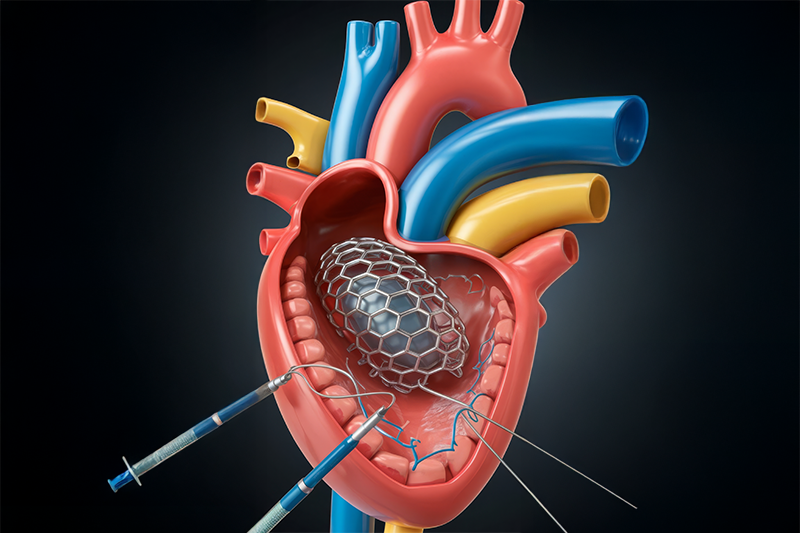
Evaluates the local tissue response to a Medical Device or material when implanted in living tissue, ensuring long-term compatibility, healing, and absence of adverse biological reactions.

Irritation & Sensitisation (ISO 10993-10 & USP)

Irritation & Sensitisation (ISO 10993-10 & USP)

  • Intracutaneous Reactivity
  • Dermal and Mucosal Irritation (vaginal, rectal, oral)
  • Ocular and Intraocular Irritation
  • Closed Patch (Buehler) Dermal Irritation
  • Guinea Pig Maximisation Test
  • Local Lymph Node Assay (LLNA) by BrdU ELISA
Assesses the potential of device materials to cause local skin, mucosal, or ocular irritation and allergic reactions, ensuring patient comfort and biocompatibility during contact or implantation.

Systemic Toxicity (ISO 10993-11) 

Systemic Toxicity (ISO 10993-11) 

  • Acute Systemic Toxicity
  • Sub-Acute Toxicity
  • Sub-Chronic Toxicity
  • Chronic Systemic Toxicity
  • Reproductive Toxicity
Evaluates the potential adverse effects of device materials on the entire body following exposure, ensuring that no harmful substances are released during use or over time.

Scroll to Top