
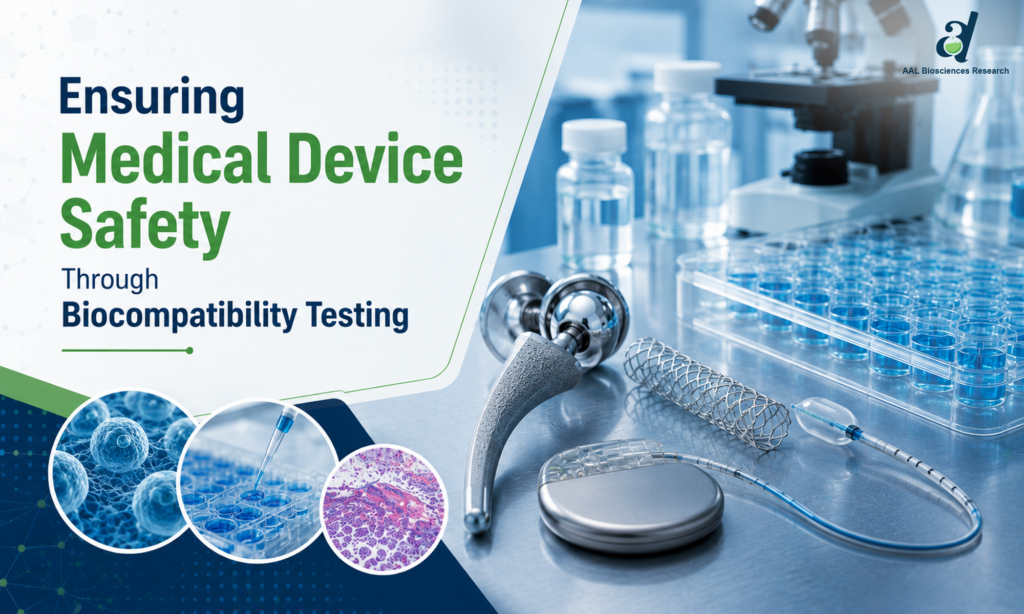
Medical devices have transformed modern healthcare, improving the diagnosis, treatment, and management of countless medical conditions. From surgical implants and catheters to wound dressings and dental materials, these products come into direct or indirect contact with the human body. But before any medical device reaches patients, one critical question must be answered: Is it safe for human use?
This is where biocompatibility testing becomes essential. It helps manufacturers determine whether a medical device or material can safely interact with biological tissues without causing harmful effects. More than just a regulatory requirement, biocompatibility testing is a vital step in protecting patient health, ensuring product quality, and supporting successful regulatory approvals.
What Is Biocompatibility Testing?
Biocompatibility testing is the process of evaluating how a medical device or its materials interact with the human body. The goal is to determine whether the device is biologically safe for its intended use and whether it could cause adverse reactions such as toxicity, irritation, inflammation, sensitization, or other harmful biological responses.
The extent of biocompatibility testing depends on several factors, including:
- The type of medical device
- The materials used in its construction
- The duration of patient contact
- The area of the body where the device will be used
- Whether the device is temporary, prolonged, or permanently implanted
International standards such as ISO 10993 provide a risk-based framework for biological evaluation, helping manufacturers select the most appropriate tests based on the device’s intended use rather than applying a one-size-fits-all approach.
Why Is Biocompatibility Testing Important?
Medical devices are designed to improve lives, but if their materials are not biologically compatible, they can pose serious health risks. Biocompatibility testing helps identify these risks early in the product development process.
Here are some of the key reasons why it is indispensable.
Ensures Patient Safety
Patient safety is the primary objective of biocompatibility testing. A device that releases toxic substances or triggers allergic reactions can lead to severe complications. Comprehensive testing verifies that the materials are safe and suitable for their intended medical application.
Supports Regulatory Compliance
Regulatory authorities worldwide require manufacturers to provide evidence of biological safety before approving medical devices. Whether seeking approval in the United States, Europe, or other global markets, biocompatibility testing forms a crucial part of the regulatory submission package.
Failure to conduct appropriate testing can delay approvals, increase development costs, or even result in product recalls.
Reduces Development Risks
Identifying biological compatibility issues during the development phase is significantly more cost-effective than addressing them after commercialization. Early testing allows manufacturers to modify materials or designs before investing heavily in production and regulatory submissions.
Builds Trust in Product Quality
Healthcare professionals and patients rely on medical devices that meet stringent safety standards. Demonstrating successful biocompatibility testing enhances confidence in the product’s quality and reliability while strengthening the manufacturer’s reputation.
Common Types of Biocompatibility Testing
The biological evaluation plan varies depending on the device and its intended use. Some of the most commonly performed biocompatibility testing studies include:
Cytotoxicity Testing
This test evaluates whether the device or its materials cause damage to living cells. It is often the first biological assessment conducted for new medical devices.
Sensitization Testing
Sensitization studies determine whether repeated exposure to the device could trigger allergic reactions in patients.
Irritation Testing
These studies assess whether the device causes irritation when it comes into contact with skin, mucosal tissues, or other biological surfaces.
Systemic Toxicity Testing
Systemic toxicity studies evaluate whether substances released from the device can negatively affect organs or body systems after exposure.
Genotoxicity Testing
This assessment determines whether device materials have the potential to damage genetic material, which may increase long-term health risks.
Implantation Studies
For implantable devices, implantation studies evaluate how surrounding tissues respond after the device is placed inside the body over a defined period.
Not every medical device requires all these tests. Manufacturers typically develop a biological evaluation strategy based on the device’s risk profile and intended clinical use.
Factors That Influence Biocompatibility Testing Requirements
No two medical devices are exactly alike. The scope of biocompatibility testing depends on multiple factors, including:
- Type of material used
- Nature of body contact
- Duration of patient exposure
- Manufacturing processes
- Sterilization methods
- Intended clinical application
For example, a disposable surgical glove has different biological safety requirements than a cardiovascular implant that remains inside the body for several years.
This risk-based approach helps ensure that testing remains scientifically justified while avoiding unnecessary studies.
Benefits of Early Biocompatibility Testing
Incorporating biocompatibility testing early in product development offers significant advantages beyond regulatory compliance.
Manufacturers can identify material-related concerns before clinical studies, reduce costly redesigns, accelerate regulatory submissions, and improve overall product quality. Early planning also helps streamline project timelines and minimizes unexpected delays during commercialization.
By integrating biological safety assessments into the design process, companies can make informed decisions that support both innovation and patient safety.
Choosing the Right Testing Partner
Because biological evaluation involves complex scientific assessments and strict regulatory expectations, selecting an experienced testing laboratory is essential.
An ideal testing partner should offer:
- Expertise in ISO 10993 biological evaluation
- Good Laboratory Practice (GLP)-compliant studies
- Experienced scientific and regulatory teams
- Comprehensive documentation and reporting
- Reliable project timelines
- Customized testing strategies based on device risk
Working with a knowledgeable laboratory helps manufacturers navigate regulatory requirements more efficiently while ensuring accurate and dependable test results.
Conclusion
As medical devices continue to become more advanced, ensuring their biological safety remains a top priority. Biocompatibility testing plays a critical role in verifying that devices are safe for patient use, comply with international regulatory standards, and perform as intended throughout their lifecycle.
Whether you are developing a new medical device or preparing for regulatory submission, partnering with an experienced testing laboratory can make the process more efficient and reliable. AAL Biosciences Research provides comprehensive biocompatibility and biological safety testing services tailored to the unique requirements of medical device manufacturers. Backed by scientific expertise, regulatory knowledge, and a commitment to quality, AAL Biosciences Research helps organizations generate reliable data, streamline compliance, and confidently bring safe, high-quality medical devices to market.
Frequently Asked Questions
1. What is biocompatibility testing?
Biocompatibility testing evaluates whether a medical device is safe to interact with the human body without causing harmful biological reactions.
2. Why is biocompatibility testing important for medical devices?
It ensures patient safety, supports regulatory compliance, and helps manufacturers identify biological risks before product commercialization.
3. Which standard governs biocompatibility testing?
ISO 10993 is the internationally recognized standard for the biological evaluation and biocompatibility testing of medical devices.
4. What are the common types of biocompatibility testing?
Common tests include cytotoxicity, sensitization, irritation, systemic toxicity, genotoxicity, hemocompatibility, and implantation studies.
5. Is biocompatibility testing mandatory for medical devices?
Most medical devices require biocompatibility testing to meet regulatory requirements before obtaining market approval.
6. What factors determine biocompatibility testing requirements?
Requirements depend on device materials, body contact, exposure duration, intended use, and applicable regulatory guidelines.
7. When should biocompatibility testing be performed?
Biocompatibility testing should begin early in product development to reduce risks, avoid delays, and support faster regulatory approvals.
8. Can material changes require new biocompatibility testing?
Yes. Changes in materials, manufacturing processes, or sterilization methods may require additional biocompatibility testing to maintain regulatory compliance.