
Regulatory Compliance Screening
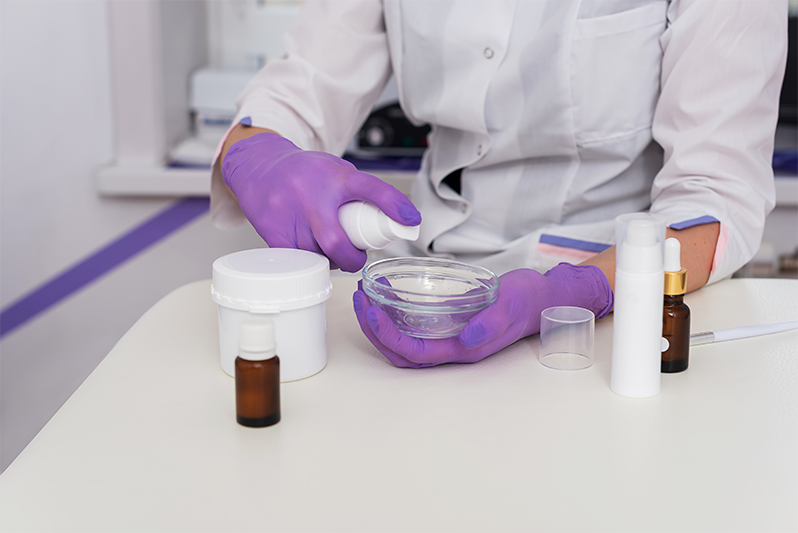
Analysis of Restricted & Prohibited Substances Screens formulations for substances banned or limited under global regulations (EU, US FDA, ASEAN,
Analysis of Restricted & Prohibited Substances Screens formulations for substances banned or limited under global regulations (EU, US FDA, ASEAN,
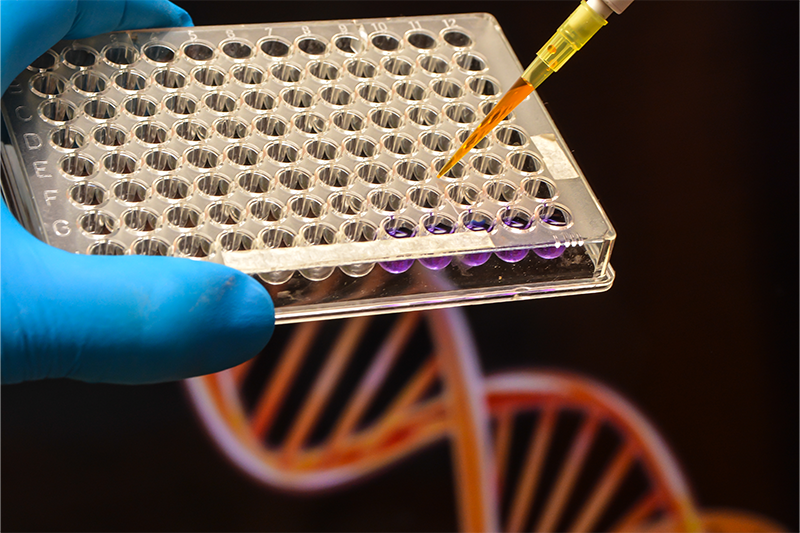
Heavy Metals Analysis Residual Solvent Testing Ensures formulations meet global safety limits for contaminants such as lead, arsenic, mercury, and

Preservative Efficacy (Challenge Test) Microbial Limits & Endotoxin Testing Verifies that products stay microbially safe throughout their shelf-life and usage

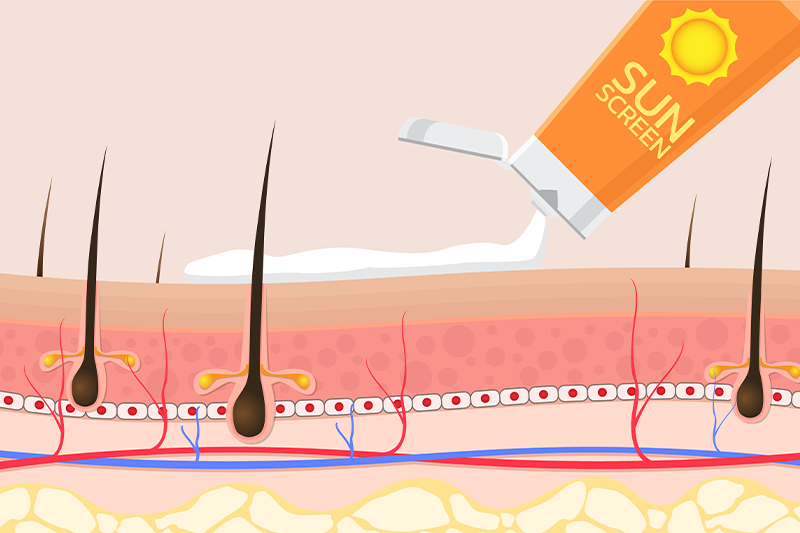
Dermal Absorption Studies Determines how much of a cosmetic ingredient penetrates the skin barrier, supporting safety assessments and regulatory submissions.
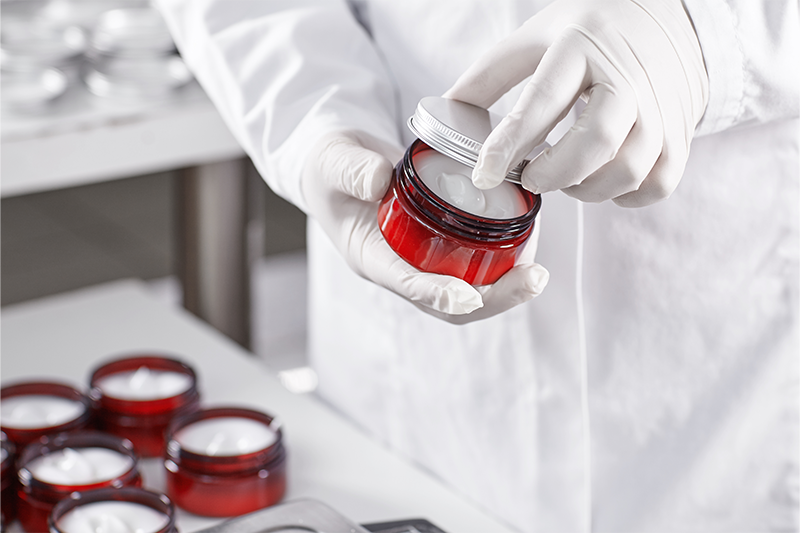
Ames Test, Micronucleus Assay Screens for DNA damage or mutation risks associated with cosmetic ingredients or impurities.
Acute & Repeated Dose Toxicity Evaluates short-term and long-term safety, ensuring ingredients do not cause harmful systemic or organ-specific effects.

Phototoxicity & Photoallergenicity Tests Identifies adverse reactions triggered by sunlight exposure, essential for products with photosensitive ingredients.

Eye Irritation & Corrosion (BCOP, ICE) Determines the irritation risk posed by cosmetic products to the eyes using validated non-animal
Skin Irritation & Sensitization (OECD 404, LLNA) Assesses potential for skin reactions, irritation, or allergic responses, ensuring compatibility with all