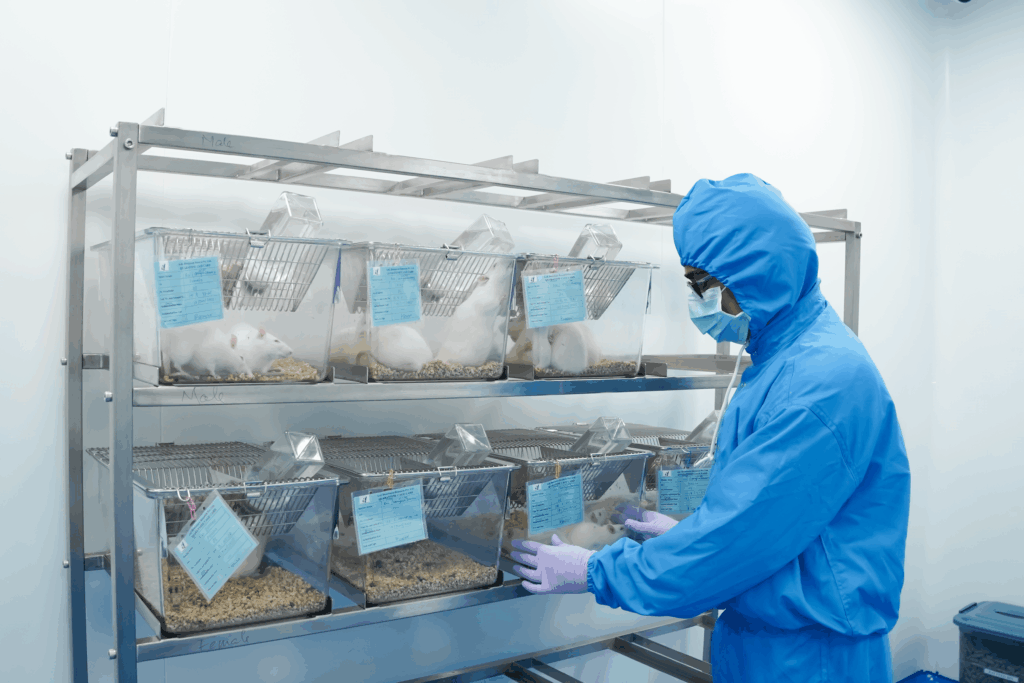
Alternatives to Animal Models
In-Vitro Skin Irritation & Corrosion Hen’s Egg Test – Chorioallantoic Membrane (HET-CAM) In-Vitro Skin/Dermal Absorption Using Ex-Vivo Models Utilises advanced

In-Vitro Skin Irritation & Corrosion Hen’s Egg Test – Chorioallantoic Membrane (HET-CAM) In-Vitro Skin/Dermal Absorption Using Ex-Vivo Models Utilises advanced
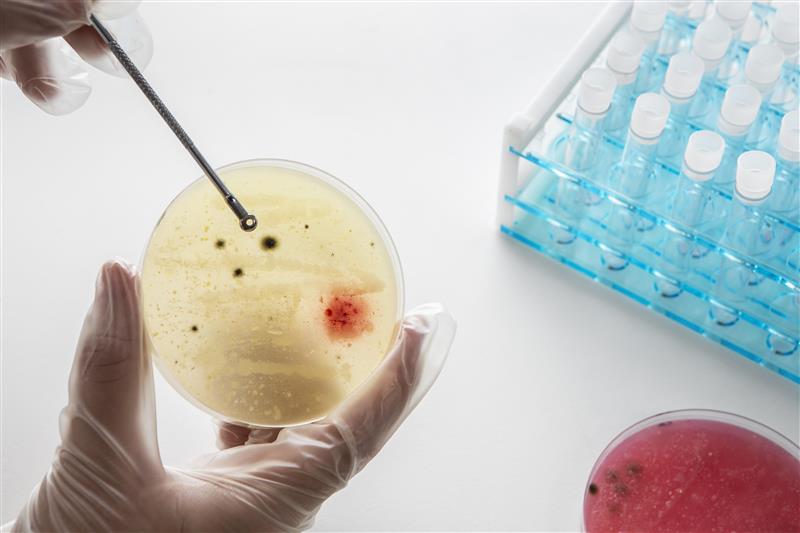
Sterility Testing Bioburden Testing Bacterial Endotoxin Testing Ensures medical devices are free from harmful microorganisms by assessing sterility, bioburden, and
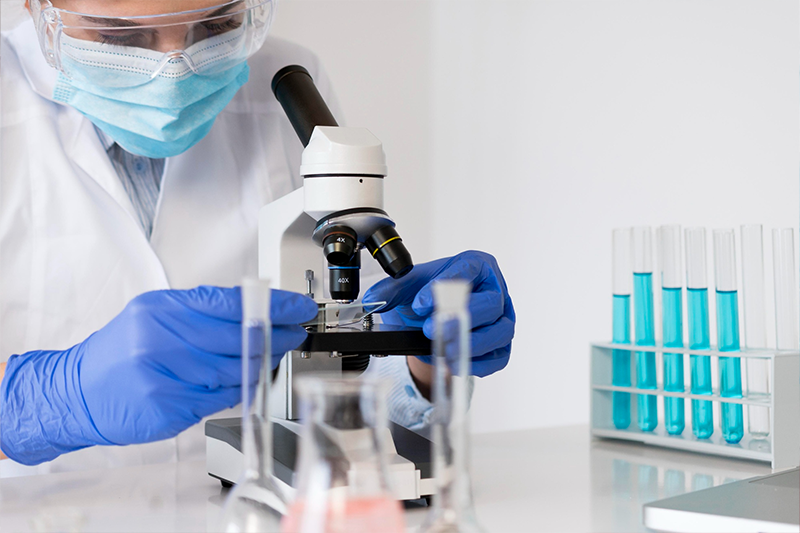
Bacterial Reverse Mutation Test (Ames Test) In-Vitro Mammalian Chromosome Aberration Test In-Vitro Micronucleus Test In-Vivo Mammalian Erythrocyte Micronucleus Test In-Vivo
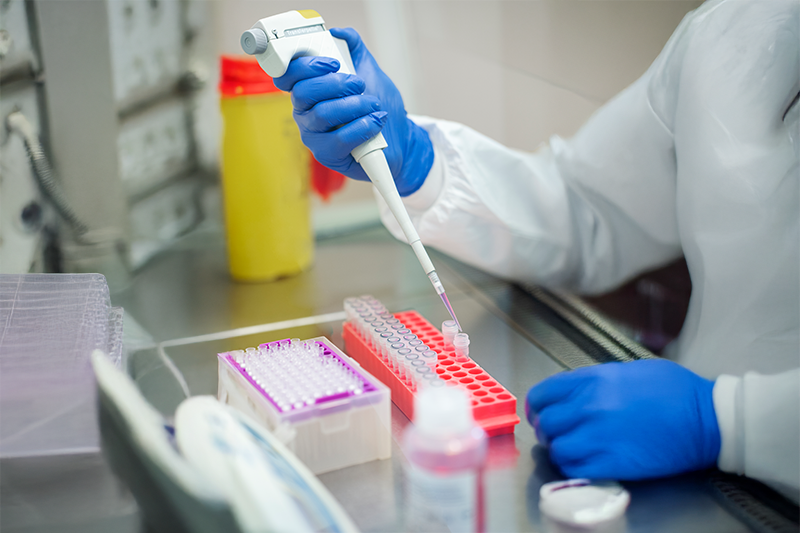
Agarose Overlay MEM Elution Direct Contact Quantitative MTT Assay Measures the potential of medical device materials to cause cell damage
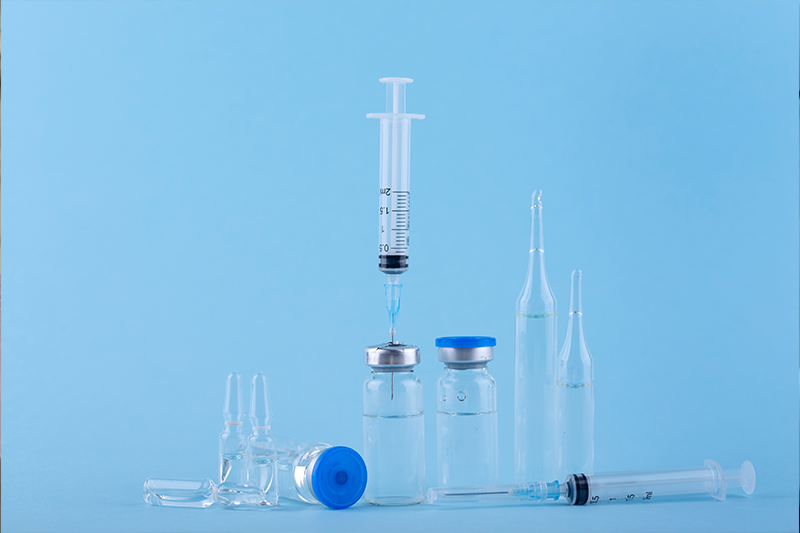
Systemic Injection Test Intracutaneous Test Implant Test Safety Evaluation Assesses the safety of polymeric materials used in medical devices through
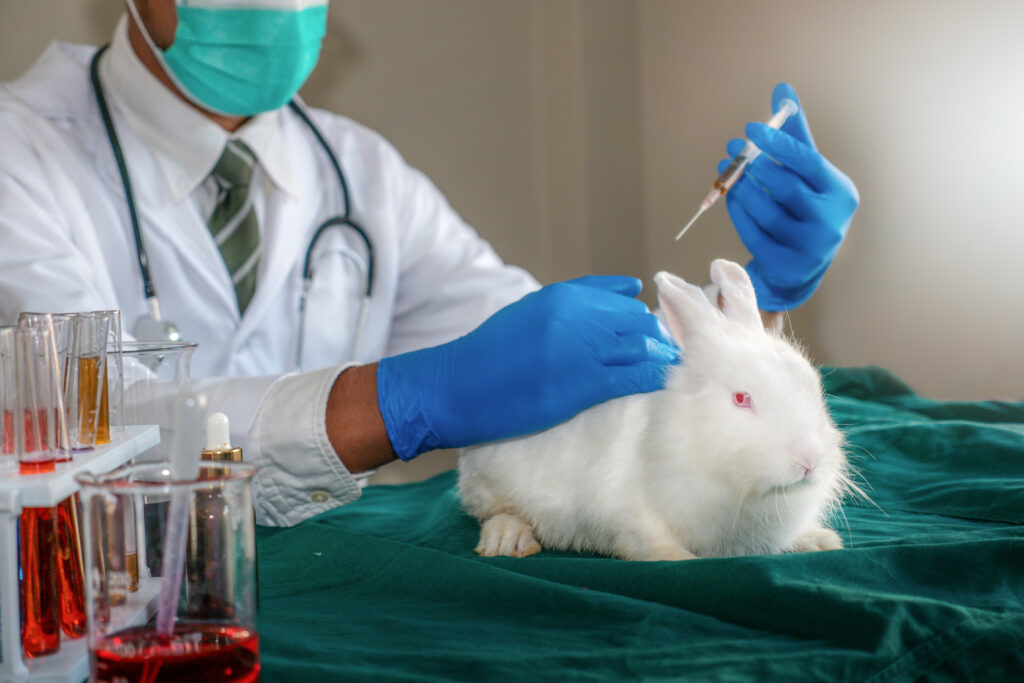
Material Mediated Pyrogenicity (ISO 10993-11) Rabbit Pyrogen Test (IP, BP, and USP) Evaluates the potential of medical device materials to
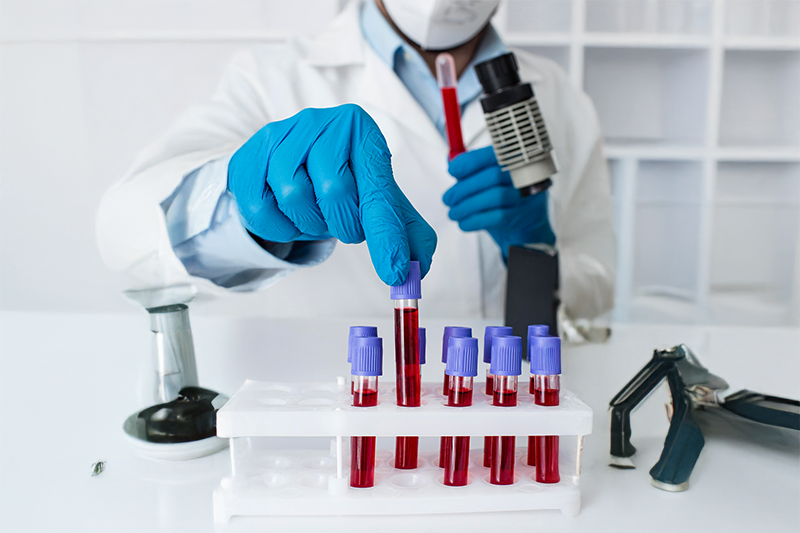
ASTM Hemolysis Complement Assay (C3a and SC5b-9) Partial Thromboplastin Time (PTT) Prothrombin Time (PT) Thrombin Time (TT) Determines how a
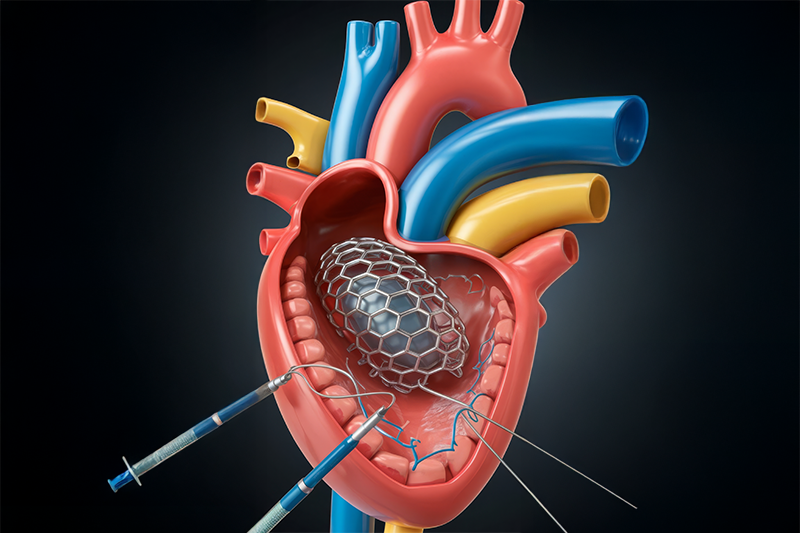
Intramuscular Implantation Subcutaneous Implantation Bone Implantation Ocular Implantation Mucosal Irritation (vaginal, rectal, oral) Evaluates the local tissue response to a
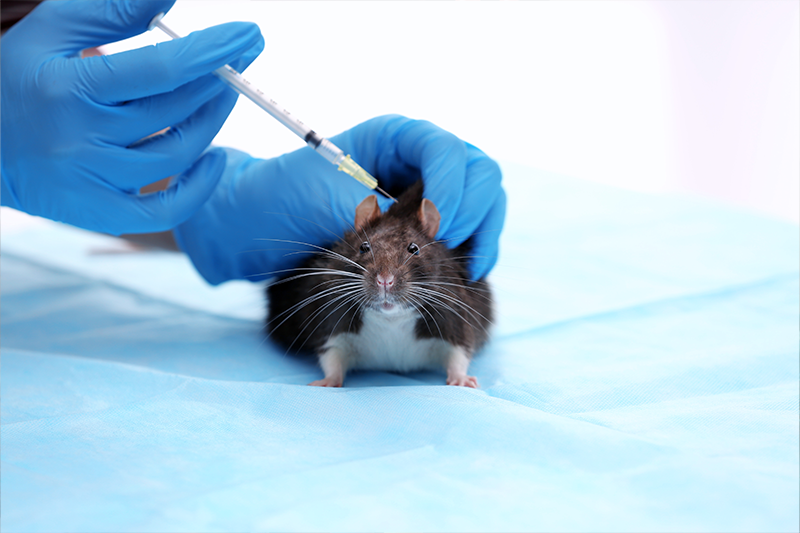
Intracutaneous Reactivity Dermal and Mucosal Irritation (vaginal, rectal, oral) Ocular and Intraocular Irritation Closed Patch (Buehler) Dermal Irritation Guinea Pig
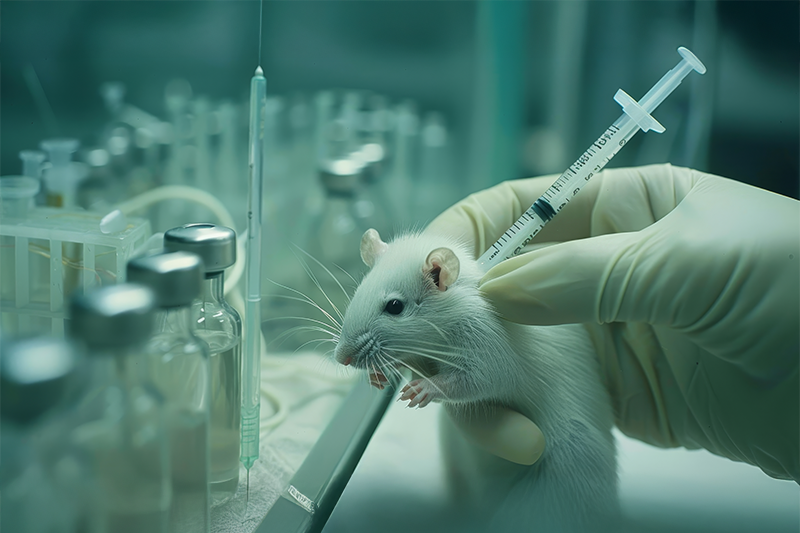
Acute Systemic Toxicity Sub-Acute Toxicity Sub-Chronic Toxicity Chronic Systemic Toxicity Reproductive Toxicity Evaluates the potential adverse effects of device materials